
What to Know Before Remodeling a Bathroom
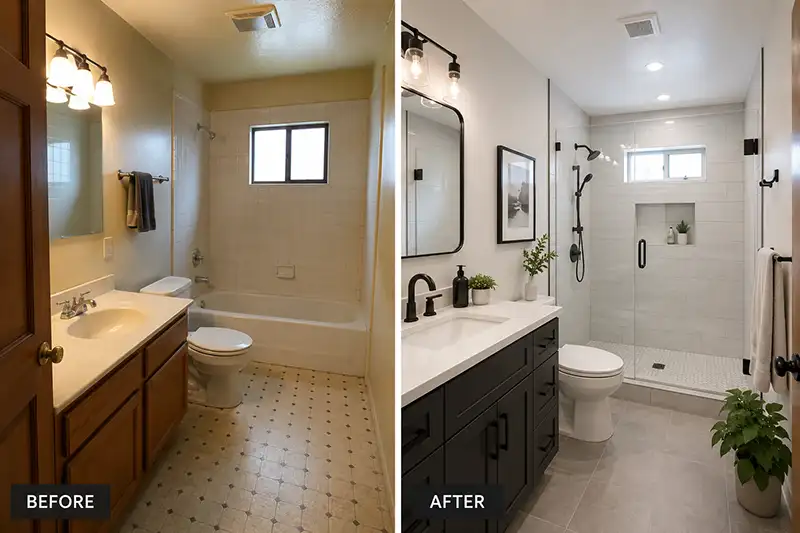
Remodeling a bathroom is one of the best ways to improve comfort, functionality, and home value. Whether you’re updating outdated fixtures, creating a more modern design, or improving efficiency, careful planning is essential to avoid costly mistakes and unexpected delays. From plumbing considerations to material selection, understanding the remodeling process can help ensure a smoother project and long-lasting results. Before starting your bathroom remodel, here are the most important things every homeowner should know.
Set a Realistic Budget
One of the first steps in any bathroom remodel is determining your budget. Costs can vary widely depending on the size of the bathroom, the quality of materials, and the extent of the renovations. Small cosmetic upgrades may only require a modest investment, while full remodels involving plumbing relocation or structural changes can become more expensive.
It’s also smart to set aside additional funds for unexpected issues. Older homes often reveal hidden plumbing problems, water damage, or outdated piping once demolition begins. Having a contingency budget can help prevent project delays and added stress.
Consider Your Bathroom Layout
Changing the layout of a bathroom may seem appealing, but relocating plumbing fixtures like sinks, toilets, and showers can significantly increase costs. Moving water supply lines and drain pipes requires additional labor and plumbing work.
If your current layout functions well, keeping plumbing fixtures in the same location can help reduce expenses while still allowing for major visual upgrades. However, if your bathroom feels cramped or inefficient, a layout redesign may improve functionality and long-term comfort.
Upgrade Plumbing When Necessary
Many homeowners focus on tile, paint, and fixtures while overlooking the importance of the plumbing system behind the walls. If your home has older pipes, a remodel is the perfect time to inspect and upgrade outdated plumbing components.
Replacing aging pipes, worn shut-off valves, or corroded drain lines can help prevent future leaks and water damage. Upgrading plumbing during a remodel is often more cost-effective than dealing with emergency repairs later.
Professional plumbers can also ensure your new fixtures are installed correctly and meet local building codes.
Choose Water-Efficient Fixtures
Modern plumbing fixtures are designed to improve efficiency without sacrificing performance. Installing water-saving toilets, faucets, and showerheads can help reduce water consumption and lower monthly utility bills and can earn rebates from local organizations or municipalities.
Water-efficient upgrades also benefit the environment and may increase your home’s appeal to future buyers. Many modern fixtures offer sleek designs and improved functionality while using less water than older models.
Popular upgrades include:
- Low-flow toilets
- Water-saving showerheads
- Touchless faucets
- Dual-flush toilet systems
- Tankless water heaters
These features combine convenience, efficiency, and long-term savings.
Plan for Proper Ventilation
Bathrooms naturally produce moisture, and poor ventilation can lead to mold, mildew, and long-term water damage. A quality exhaust fan helps remove humidity and improve indoor air quality.
If your bathroom currently lacks proper ventilation, remodeling is the ideal time to install or upgrade an exhaust system. Proper airflow also helps protect paint, drywall, cabinetry, and flooring from moisture-related damage.
Select Durable Materials
Bathrooms experience constant exposure to water, humidity, and temperature changes, so choosing durable materials is important. While trendy finishes may look appealing, selecting moisture-resistant and easy-to-maintain materials can improve longevity.
Popular bathroom materials include:
- Porcelain or ceramic tile
- Quartz countertops
- Waterproof vinyl flooring
- Mold-resistant drywall
- Moisture-resistant paint
Investing in quality materials can reduce maintenance and help your remodel maintain its appearance for years to come.
Think About Storage
Storage is often overlooked during bathroom remodels, but it plays a major role in functionality. Adding built-in shelving, vanity storage, or recessed cabinets can help reduce clutter and improve organization.
Even smaller bathrooms can benefit from smart storage solutions that maximize available space while maintaining a clean, open appearance.
Understand Permit Requirements
Depending on the scope of your remodel, permits may be required for plumbing, electrical, or structural changes. Local building codes help ensure safety and proper installation standards.
Working with licensed professionals helps ensure all work is code-compliant and properly permitted. Skipping permits can create problems during future home sales and may lead to costly corrections later.
Hire Experienced Professionals
Bathroom remodeling often involves multiple trades, including plumbing, electrical, flooring, and carpentry. Hiring experienced contractors helps ensure each part of the project is completed safely and correctly.
Professional plumbers are especially important when installing new fixtures, relocating pipes, or upgrading water lines. Poor plumbing work can lead to leaks, drainage issues, and expensive repairs down the road.
Choosing qualified professionals provides peace of mind and helps your project stay on schedule.
Final Thoughts
Remodeling a bathroom is an exciting opportunity to improve both the appearance and functionality of your home. Careful planning, quality materials, and professional plumbing work are essential for achieving reliable, long-lasting results.
By setting a realistic budget, upgrading plumbing when needed, improving ventilation, and choosing efficient fixtures, homeowners can create a bathroom that is comfortable, stylish, and built to last. Whether you’re making small upgrades or completing a full renovation, thoughtful preparation can help your remodeling project run smoothly from start to finish.

